



The statue of the Song Dynasty in the Korean Dynasty
This work demonstrates the persistence of Buddhism and its religious practice during the Joseon Dynasty (1392-1910), even after Neo-Confucianism became the state religion. It is difficult to determine which Buddhist deity this statue represents due to the lack of a crown, but it can undoubtedly be classified as a bodhisattva (meaning "awakening person"). This work is from the Joseon Dynasty (1392-1910) period. The Joseon Dynasty was the last feudal dynasty in the history of the Korean Peninsula. The capital of the Korean dynasty was in Kajing, the old capital of Koryo (now Kaesong; Also known as Songdu), the capital was set in Hanyang (now Seoul) in 1394 and was renamed Seoul the following year.

Painted Wood Carving of the Northern Song Dynasty "Eleven-sided Guanyin Bodhisattva"
"Eleven-sided Guanyin Bodhisattva" is a wood carving art from the late Northern Song Dynasty to the Jin Dynasty in China. It is currently in the Cleveland Museum of Art. The sculpture is 218.5cm high and is carved from willow made of painted and cut gold. This statue is the Avalokitesvara in Buddhism, symbolizing the Buddha's steps to enlightenment. The historical and artistic value of sculpture is very high, and it is the treasure of ancient Chinese art. It shows the carving techniques of the Song Dynasty, reflecting the religious beliefs and aesthetic concepts of the time.

Popular Models
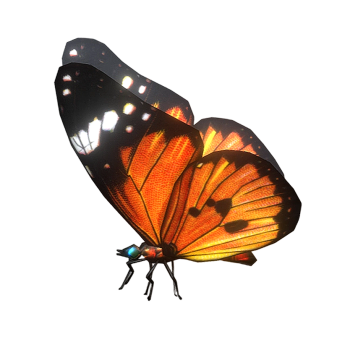
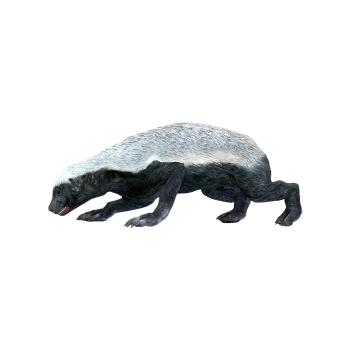
Honey Badger (3D animated model)
192 View
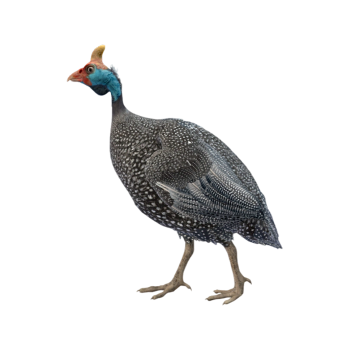
Guinea fowl (3D animated model)
163 View
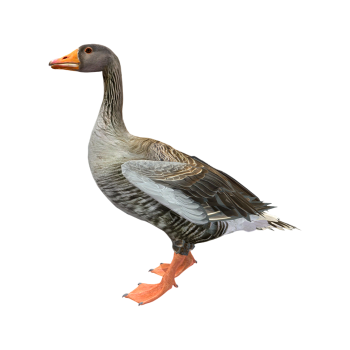
Wild Goose (3D animated model)
185 View
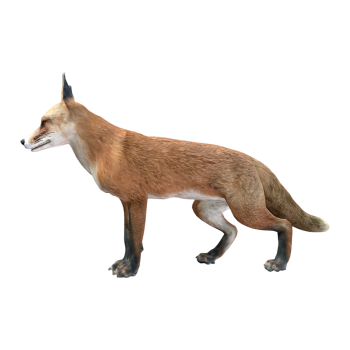
Red Fox (3D animated model)
153 View
Random Model

Belgium Brussels Waffles
641 View

White tailed sea eagle specimen
864 View

Silver white wired microphone
755 View


NIKE Air Force One Sneakers
867 View


Bedroom Furniture
508 View

Miragua Silver Brown Fruit
105 View

moth
753 View

UFO decoration (support 3D printing)
594 View